Harvest now, decrypt later: the data being stolen for Q-Day.
Adversaries record encrypted traffic today to read it once quantum computers break current encryption. What Q-Day is, the EU deadlines, and what to protect first.
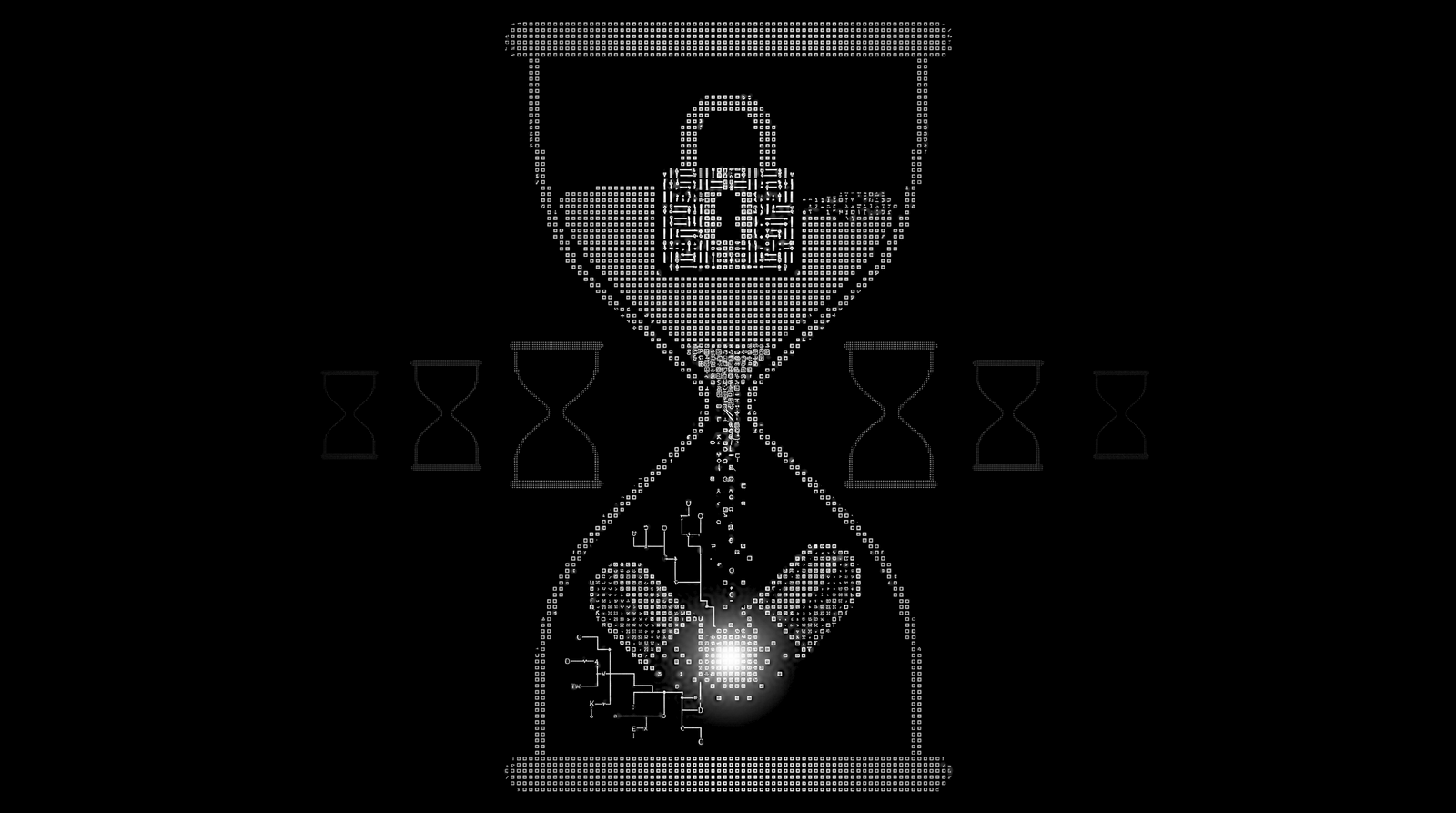
Harvest now, decrypt later means recording encrypted traffic today and reading it once quantum computers can break current encryption, the day called Q-Day. Anything long-lived that crosses a network now is exposed. The Synapse Protocol carries data on NIST-standardized post-quantum cryptography so that what is captured stays unreadable.
Steal now, read later.
Breaking strong encryption today is impractical, so the patient move is to store it. Intelligence services and well-funded attackers capture encrypted traffic and keep it. When a large enough quantum computer exists, the public-key encryption protecting most of it can be broken, and the archive opens.
Nobody knows the date. The estimates keep falling.
In 2025, a Google researcher estimated that RSA-2048 could be broken with under a million noisy qubits, far fewer than earlier estimates. No one can promise when Q-Day arrives, but data that must stay secret for ten years is already inside the window.
Europe has set the clock.
NIST standardized the first post-quantum algorithms in August 2024: ML-KEM for key exchange and ML-DSA for signatures. The EU's coordinated roadmap asks member states for national plans by the end of 2026, and for high-risk systems, critical infrastructure included, to migrate by the end of 2030. In a 2025 survey, 91% of organizations had no roadmap.
Long-lived secrets, then everything else.
Start with data whose value outlives the next decade: state and defense data, health records, intellectual property, financial keys. Then the traffic between systems that act on their own, such as AI agents. The Synapse Protocol is designed for both: post-quantum by default, underneath existing applications.
Short answers
Straight answers to what investors and partners ask us first.
Capturing encrypted data today and storing it until quantum computers can decrypt it.
The day a quantum computer can break the public-key encryption most systems use today. The date is unknown.
Replacing today's public-key cryptography with post-quantum algorithms such as ML-KEM and ML-DSA across systems and protocols.
See it working.
We show the PRISM proof of concept live, and share the technical brief and data room with qualified investors and partners.
Nothing on this website is an offer to sell or a solicitation to buy securities.