Why does AI hallucinate? Because nothing inside it checks.
AI hallucinates because a next-word model picks likely words, not checked ones. Real cases, why training alone may not fix it, and the architectural answer.
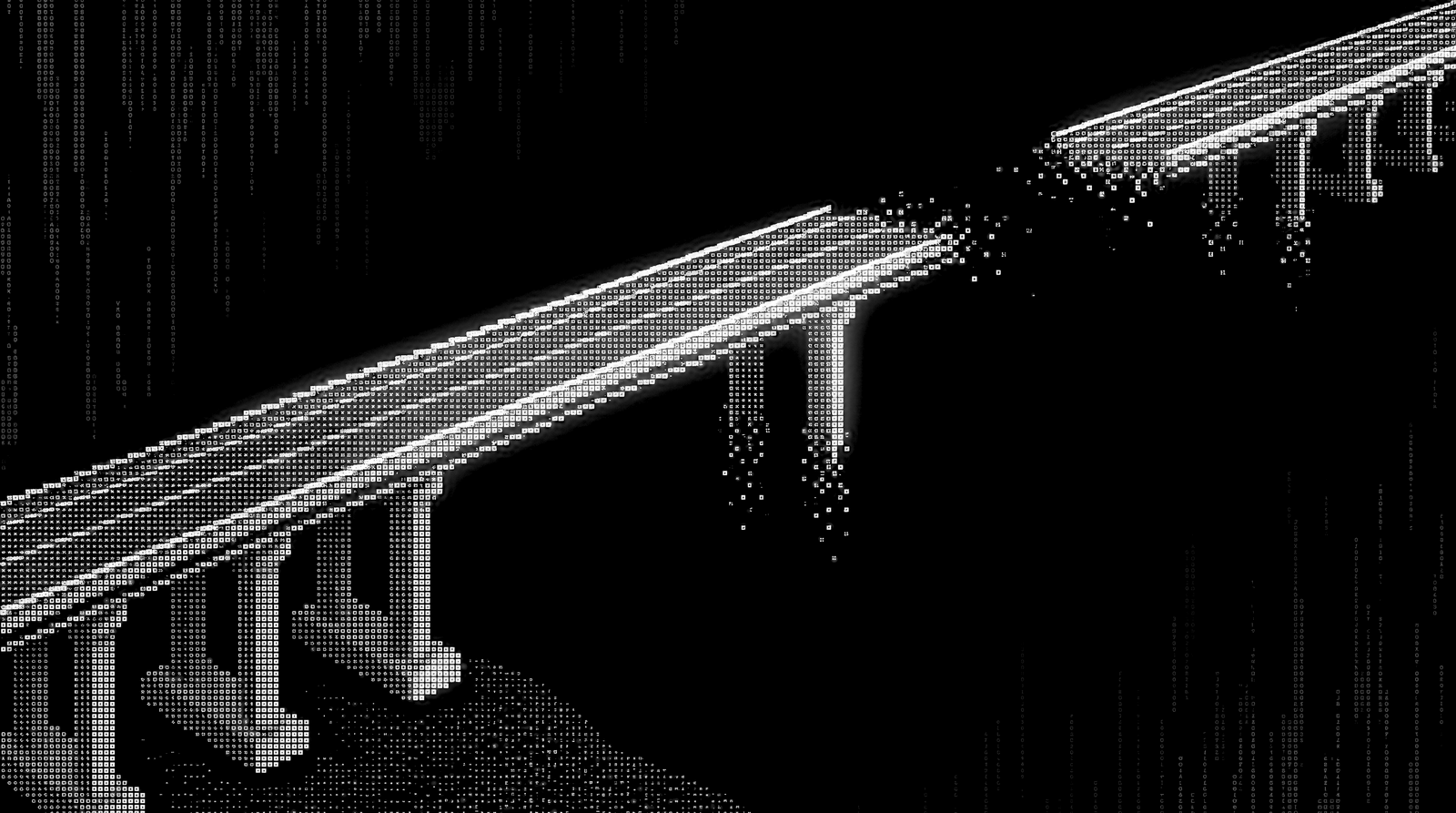
AI hallucinates because a language model picks each next word for being likely, not for being checked. A fluent wrong answer and a fluent right one look the same to it. Synapse Net's answer is architectural: PRISM scores the whole answer for consistency and corrects contradictions before it speaks.
Likely is not the same as true.
A chatbot writes one token at a time, each chosen because it is probable after the ones before. Nowhere in that loop is there a step that asks whether the whole answer holds together. When the probable continuation is false, the model writes it with the same confidence as a true one.
OpenAI's own researchers argued in 2025 that standard training and evaluation reward models for guessing rather than admitting uncertainty.
It is no longer a curiosity.
Lawyers have been sanctioned for filing briefs with court cases a chatbot invented. In 2025 a major consultancy refunded part of a government contract after a report was found to contain fabricated references. MIT researchers found that about 95% of the organizations they studied saw no measurable profit impact from their generative AI projects.
For an institution that has to stand behind every decision, a system that can be confidently wrong is a liability, not a tool.
Better training helps. A missing check stays missing.
Training can make hallucinations rarer. A 2025 preprint by Sikka and Sikka argues that beyond a certain complexity, a transformer language model cannot reliably carry out or verify a task at all. Whatever the exact limit, the step that checks the answer is not part of the architecture.
PRISM puts that step in. Every candidate answer gets an energy score; a contradiction makes it spike; the correction happens before output, and the reasons are recorded.
Short answers
Straight answers to what investors and partners ask us first.
When an AI states something false or invented as if it were fact, such as a source, a number or a court case that does not exist.
Training can reduce them. Eliminating them needs a step that checks the answer before it is given, which next-word models do not have. That step is what PRISM adds.
For drafting and conversation, often. For decisions that must be right and explainable, its weakness is that it cannot show a verified chain of reasoning.
See it working.
We show the PRISM proof of concept live, and share the technical brief and data room with qualified investors and partners.
Nothing on this website is an offer to sell or a solicitation to buy securities.